


19 Aug The Complete Guide to Powder Coating

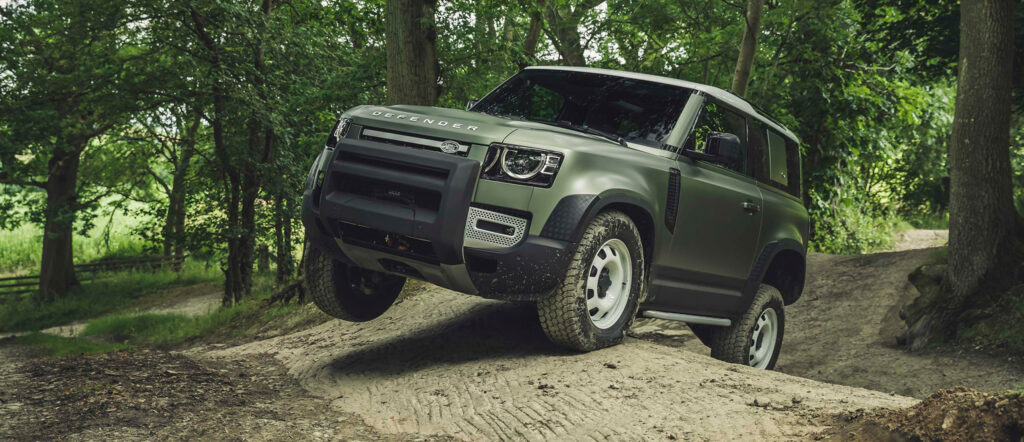
Powder coating is one of the most widely used finishing processes in manufacturing, but it’s also one of the most misunderstood. This guide covers everything you need to know, from how the process works to what it costs, how long it lasts, and which materials can and can’t be powder coated.
What is Powder coating?
Powder coating is a dry finishing process in which electrostatically charged powder is applied to a metal component and cured in an oven to form a hard, continuous protective layer. It delivers a tougher, longer-lasting finish than conventional paint — with no solvents and little to no VOC emissions.
How Powder Coating Works
Powder coating is a dry finishing process used to apply a hard, durable protective layer to metal components. Unlike liquid paint, it uses no solvents; instead a dry powder is applied to the surface electrostatically and cured in an oven to form a smooth, continuous coating.
The result is a finish that’s tougher, longer-lasting and more environmentally friendly than conventional paint. It’s used across automotive, industrial, medical, architectural and commercial sectors – anywhere a metal component needs to look good and hold up under real-world conditions.
Types of Powder Coating
Not all powder coatings are the same – the chemistry determines the performance, and choosing the right type for the end-use environment matters. The main types are polyester (the most widely used, good UV resistance, suitable indoors and out), epoxy (excellent chemical resistance but not UV stable — best for interior or underground applications), epoxy-polyester hybrid, polyurethane, and specialist high-performance powders for specific requirements like heat resistance or antimicrobial properties. At Frederick Cooper, we use TGIC-free powder as standard across all our lines.
For a full breakdown of each type and when to specify them, see our guide to types of powder coating.
The Powder Coating Process
Quality powder coating depends as much on what happens before the powder is applied as on the application itself.
- 1. Inspection & Assessment Components are checked on arrival for surface contamination, existing coatings, alloy type and any masking requirements. Identifying issues at this stage avoids problems downstream.
- 2. Metal Preparation Thorough metal preparation is the foundation of a lasting finish. This includes degreasing to remove oils, release agents and fabrication residues, followed by a chemical pre-treatment that creates a surface the powder can properly bond to and provides a first layer of corrosion protection beneath the topcoat.
- Where surface condition requires it, media and shot-blasting removes existing coatings, mill scale or rust. Linishing, sanding and filling is available for components needing surface refinement before coating.
- 3. Masking Threads, bores, mating faces and any features that must remain coating-free are masked before application.
- 4. Electrostatic Powder Application The powder is given an electrostatic charge and sprayed onto the grounded metal component. The charge draws the powder uniformly onto the surface — including edges and recesses — with minimal waste.
- 5. Curing The coated component passes through an oven at the temperature and dwell time required for the specific powder chemistry and component mass. The powder melts, flows and cross-links into a hard, continuous film.
- 6. Inspection & Sign-Off Finished components are inspected for coating thickness, adhesion and appearance. In-house testing equipment is available for detailed verification, and PPAP and PSW documentation can be provided for customers who require it.

Materials We Coat
We work across a full range of metals including aluminium, stainless steel, zinc and galvanised steel, mild steel, brass, magnesium and copper. Each substrate has specific pre-treatment requirements – we have the process knowledge to handle them correctly.
For plastic or composite components, wet paint spraying is usually the better option – powder coating on non-metallic substrates rarely delivers as consistent a result.
How Long Does Powder Coating Last?
Properly applied powder coating is highly durable. As a general guide:
- Indoors: 15–20 years
- Outdoors or exposed environments: 10–15 years
- Harsh environments (coastal, industrial, chemical exposure): dependent on powder specification
Longevity comes down to two things: the quality of pre-treatment, and specifying the right powder for the end-use environment. A poor pre-treatment is where lifespan gets cut short – not the topcoat.
Powder Coating vs Paint
For most metal applications, powder coating is the stronger choice. Here’s how they compare:
| Powder Coating | Wet Paint | |
| Durability | Higher – thicker, tougher finish | Lower – more prone to chipping |
| Application | Single pass, no drying time | Multiple coats, drying between each |
| VOC emissions | Little to none | Higher — solvent-based paints emit VOCs |
| Colour range | RAL, Pantone, BS – extensive | Virtually unlimited |
| Cost at volume | More cost-effective | Higher per-part cost |
| Best for | Metal substrates | Plastic, complex colour work, touch-ups |
That said, wet paint is the better choice in certain situations – plastic or composite substrates, components that can’t withstand oven temperatures, very fine colour blending, or where a thin coating is required. Frederick Cooper offers both powder coating and wet paint spraying, and we’ll always advise on the right process for your parts.
Industries We Serve
We finish components for customers across automotive, medical, hospitality and retail and general industrial sectors. Our automotive customers include Aston Martin, Bentley, Bugatti, JLR, McLaren and Rolls-Royce, among others. If you have metal components that need finishing, get in touch to discuss your requirements.
Get in Touch
Frederick Cooper has been powder coating metal components in Birmingham since 1879. We work with manufacturers, fabricators and engineering businesses across the UK, finishing everything from high-volume automotive parts to bespoke one-off fabrications.
Find out more about our powder coating services, or contact us to discuss your requirements.
Call us on 0121 772 4201 or email info@frederickcooper.co.uk
How much does powder coating cost?
Pricing depends on part size and geometry, the substrate, batch size and finish specification. Volume brings the per-part cost down considerably. Get in touch with your requirements and we’ll provide an accurate quote.
Can you paint over powder coating?
Not easily, and rarely worth it. Paint doesn’t bond well to a cured powder coat without significant preparation. For anything beyond a small touch-up, stripping and recoating gives a far better result. We can handle both.
How do you remove or strip powder coating?
There are four main methods: chemical stripping, thermal stripping, abrasive blasting and laser removal. Each suits different materials and situations. Powder coating removal can produce harmful fumes and dust, so we’d always recommend working with a professional. Get in touch if your parts need stripping and recoating.
Can anodised aluminium be powder coated?
Yes, but the anodised layer must be fully removed first. Attempting to powder coat over an intact anodised surface will result in poor adhesion. Speak to us and we can assess whether stripping is viable for your components.
How do you clean powder coated metal?
Mild soap and warm water applied with a soft cloth is all that’s needed for routine cleaning. Avoid abrasive cleaners, scourers or strong solvents – these can damage the coating over time. For outdoor components, a regular wash-down removes salt, pollutants and debris that accelerate degradation.
What temperature is needed for powder coating?
Curing typically takes place at 160–200°C, depending on the powder chemistry and component mass. The exact temperature and dwell time are set for each job.
Does powder coated steel rust?
The coating itself doesn’t rust, but if it’s damaged and bare steel is exposed to moisture, corrosion can develop beneath the coating and spread. A proper pre-treatment gives a first line of protection even if the topcoat is compromised. If you notice chips or damage, getting it addressed promptly prevents bigger problems.
Is powder coating heat resistant?
Standard powder coatings are generally rated up to around 120–150°C for continuous use. High-temperature powders are available for components like exhaust parts, engine bay brackets or industrial equipment that runs hot. If heat resistance is a requirement, specify it upfront so the right powder can be selected.
Are powder coated wheels durable?
Yes – powder coating is a popular choice for alloy wheels because it resists chipping, scratching and corrosion better than paint and holds up well against road salt, brake dust and general handling.
- How much does powder coating cost?
- Pricing depends on part size and geometry, the substrate, batch size and finish specification. Volume brings the per-part cost down considerably. Get in touch with your requirements and we’ll provide an accurate quote.
- Can you paint over powder coating?
- Not easily, and rarely worth it. Paint doesn’t bond well to a cured powder coat without significant preparation. For anything beyond a small touch-up, stripping and recoating gives a far better result. We can handle both.
- How do you remove or strip powder coating?
- There are four main methods: chemical stripping, thermal stripping, abrasive blasting and laser removal. Each suits different materials and situations. Powder coating removal can produce harmful fumes and dust, so we’d always recommend working with a professional. Get in touch if your parts need stripping and recoating.
- Can anodised aluminium be powder coated?
- Yes, but the anodised layer must be fully removed first. Attempting to powder coat over an intact anodised surface will result in poor adhesion. Speak to us and we can assess whether stripping is viable for your components.
- How do you clean powder coated metal?
- Mild soap and warm water applied with a soft cloth is all that’s needed for routine cleaning. Avoid abrasive cleaners, scourers or strong solvents – these can damage the coating over time. For outdoor components, a regular wash-down removes salt, pollutants and debris that accelerate degradation.
- What temperature is needed for powder coating?
- Curing typically takes place at 160–200°C, depending on the powder chemistry and component mass. The exact temperature and dwell time are set for each job.
- Does powder coated steel rust?
- The coating itself doesn’t rust, but if it’s damaged and bare steel is exposed to moisture, corrosion can develop beneath the coating and spread. A proper pre-treatment gives a first line of protection even if the topcoat is compromised. If you notice chips or damage, getting it addressed promptly prevents bigger problems.
- Is powder coating heat resistant?
- Standard powder coatings are generally rated up to around 120–150°C for continuous use. High-temperature powders are available for components like exhaust parts, engine bay brackets or industrial equipment that runs hot. If heat resistance is a requirement, specify it upfront so the right powder can be selected.
- Are powder coated wheels durable?
- Yes – powder coating is a popular choice for alloy wheels because it resists chipping, scratching and corrosion better than paint and holds up well against road salt, brake dust and general handling